Intro
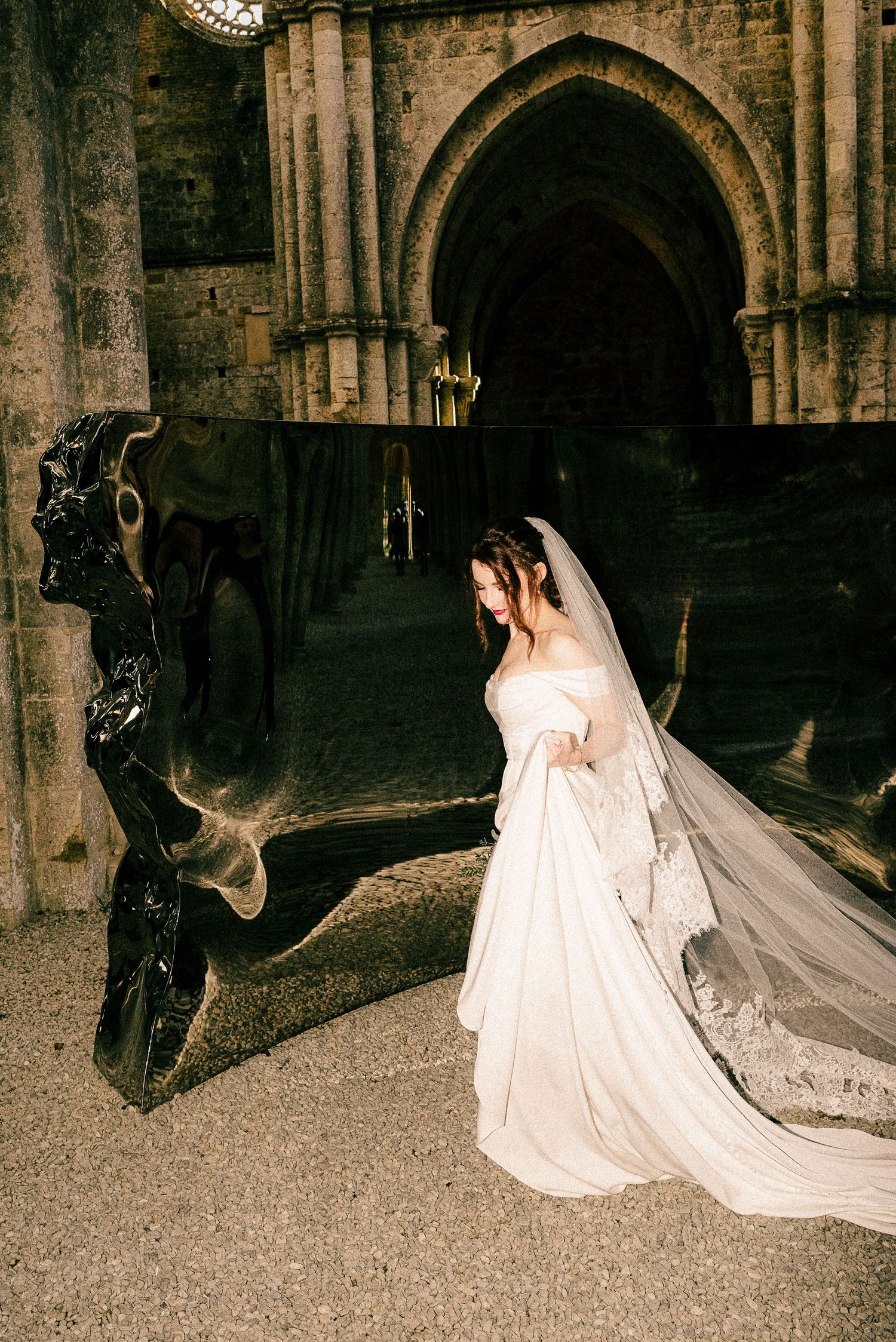
In the world of wedding photography, the word aesthetic has become one of the most used — and at the same time one of the most misunderstood. More and more couples are looking for an “aesthetic photographer,” talking about an “editorial aesthetic” or a “cinematic aesthetic.” But what does aesthetic really mean?
The answer is simple: aesthetic is not a style. It’s visual consistency.
This article explores the true meaning of the term and explains why aesthetic existed long before it became a trend in the wedding industry.
What “Aesthetic” Really Means in Wedding Photography
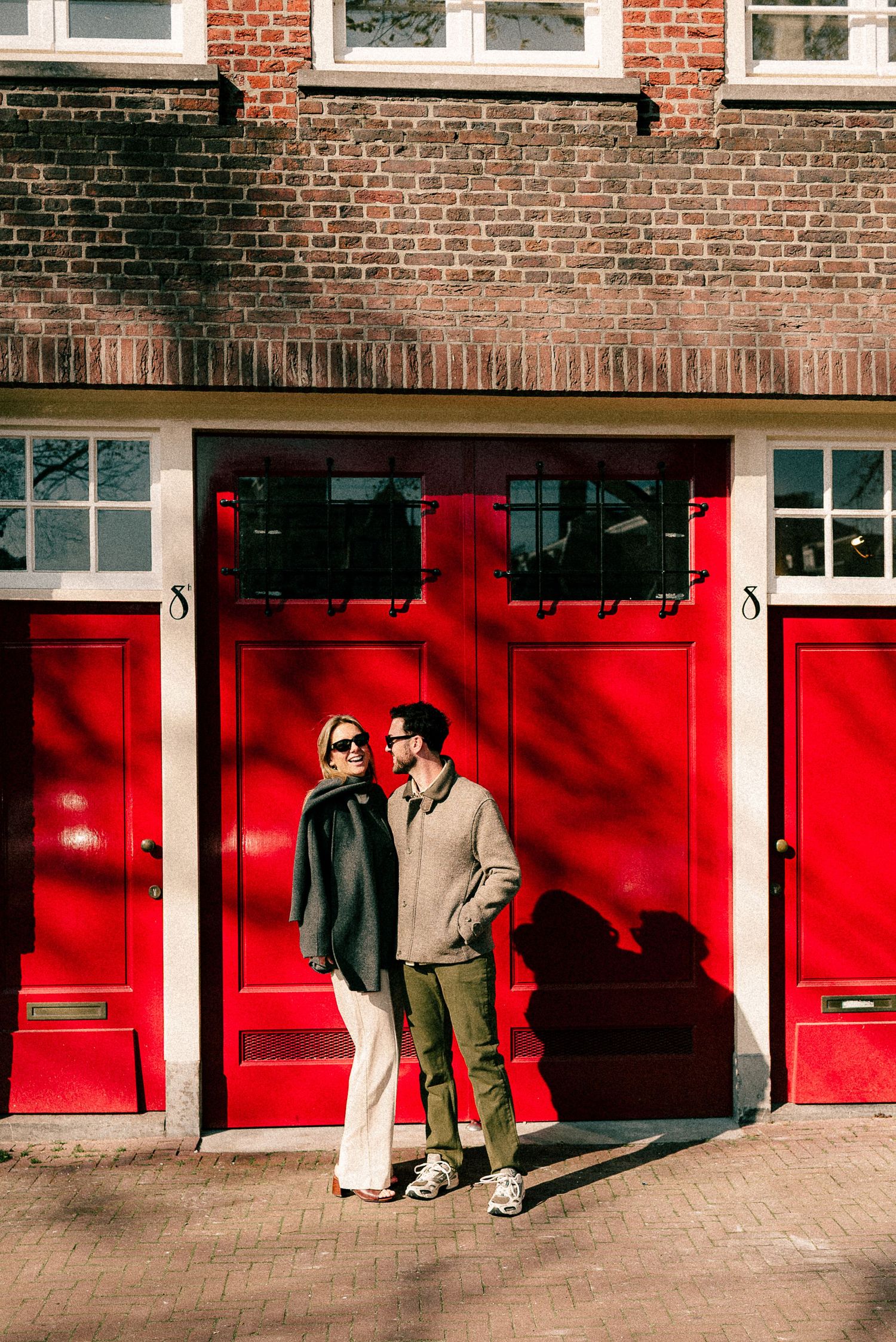
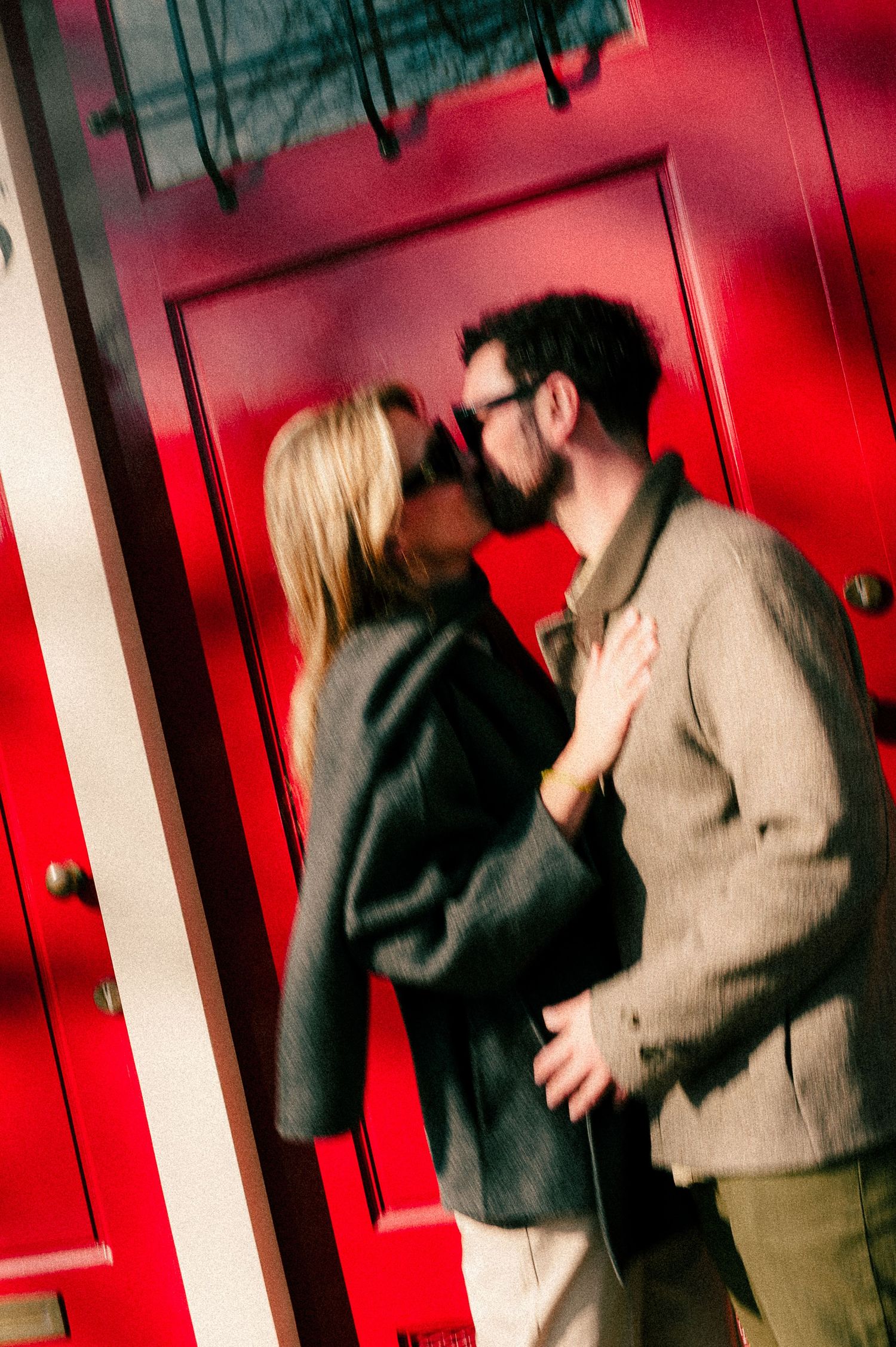
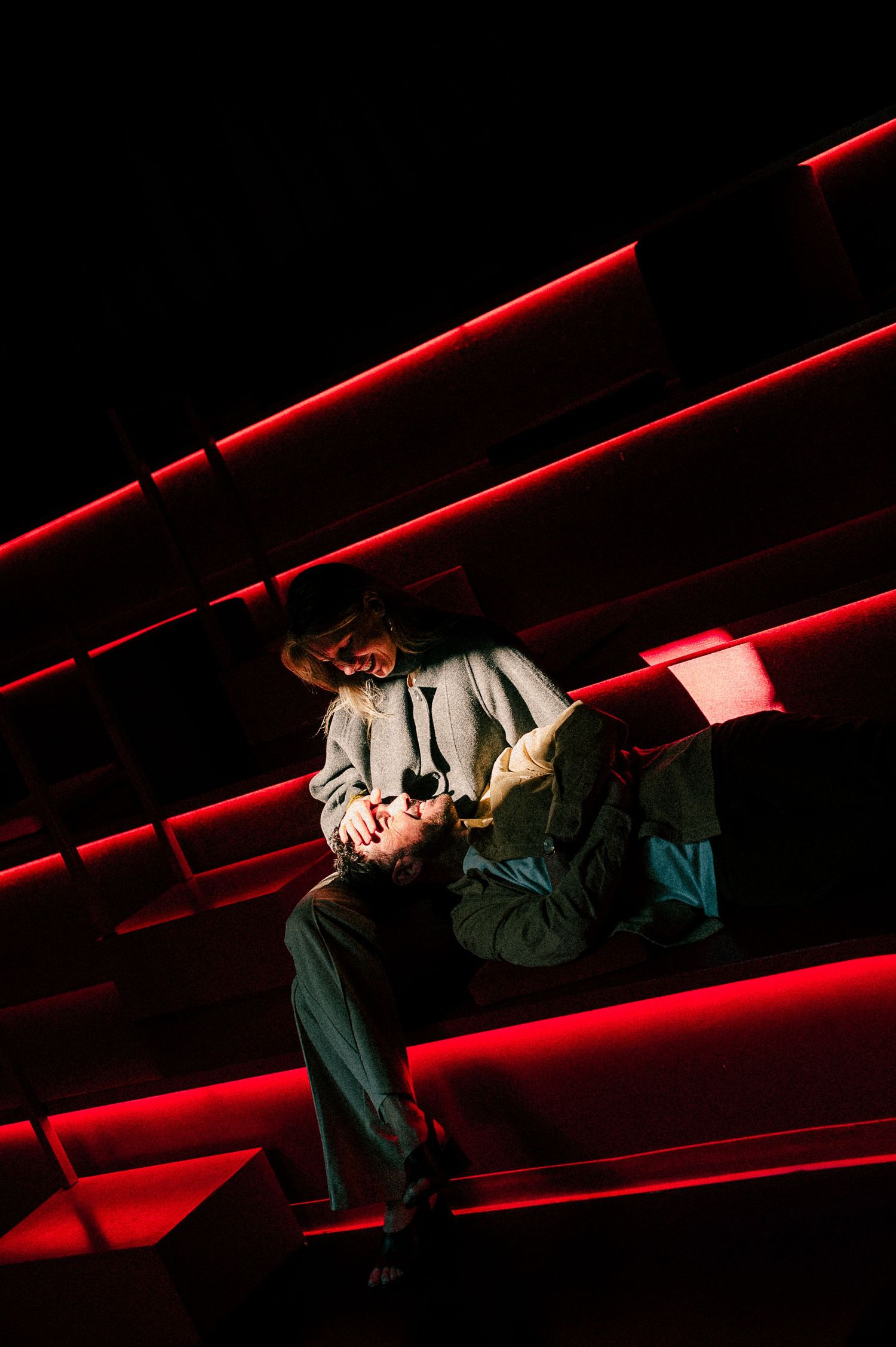
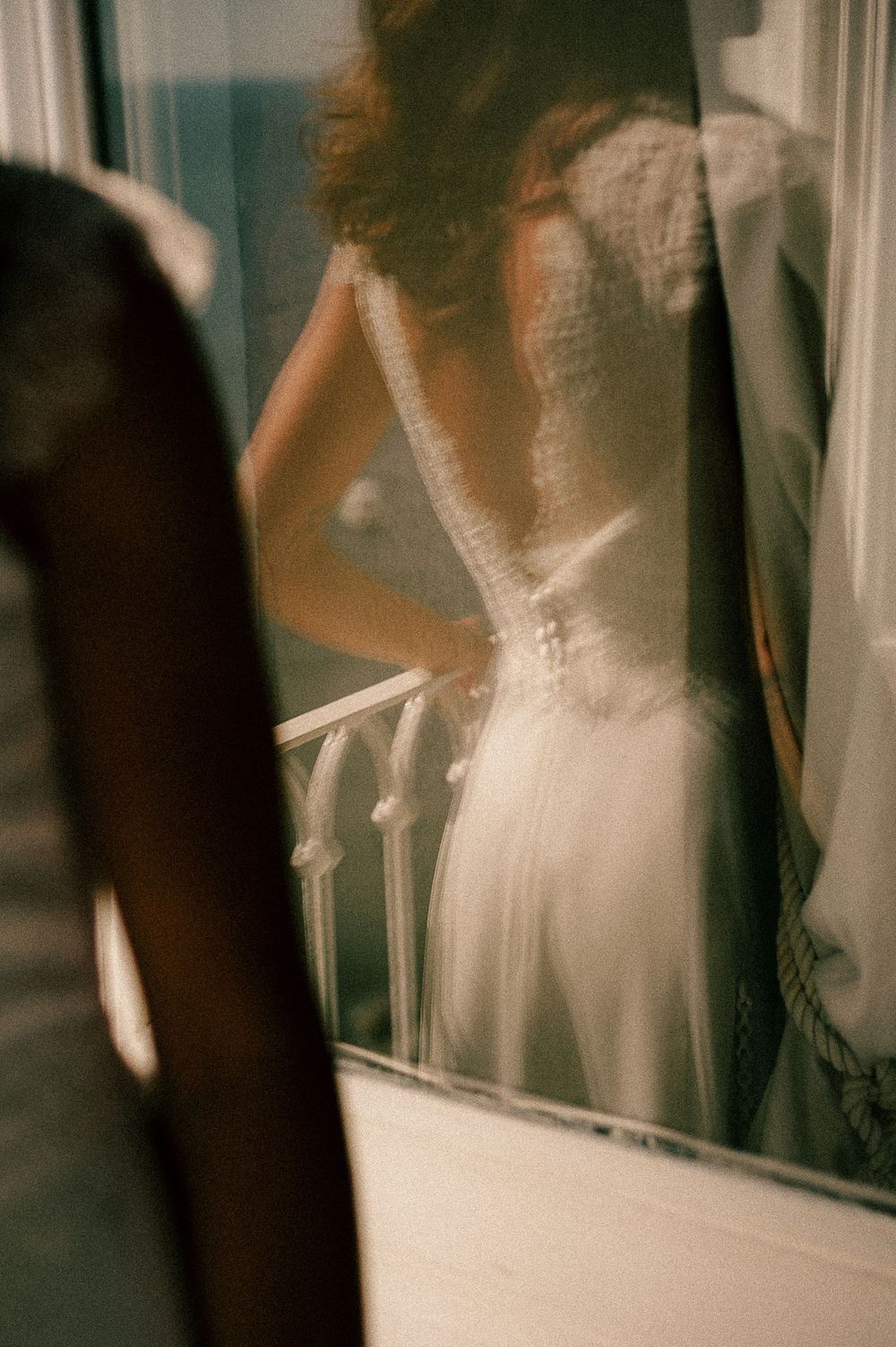
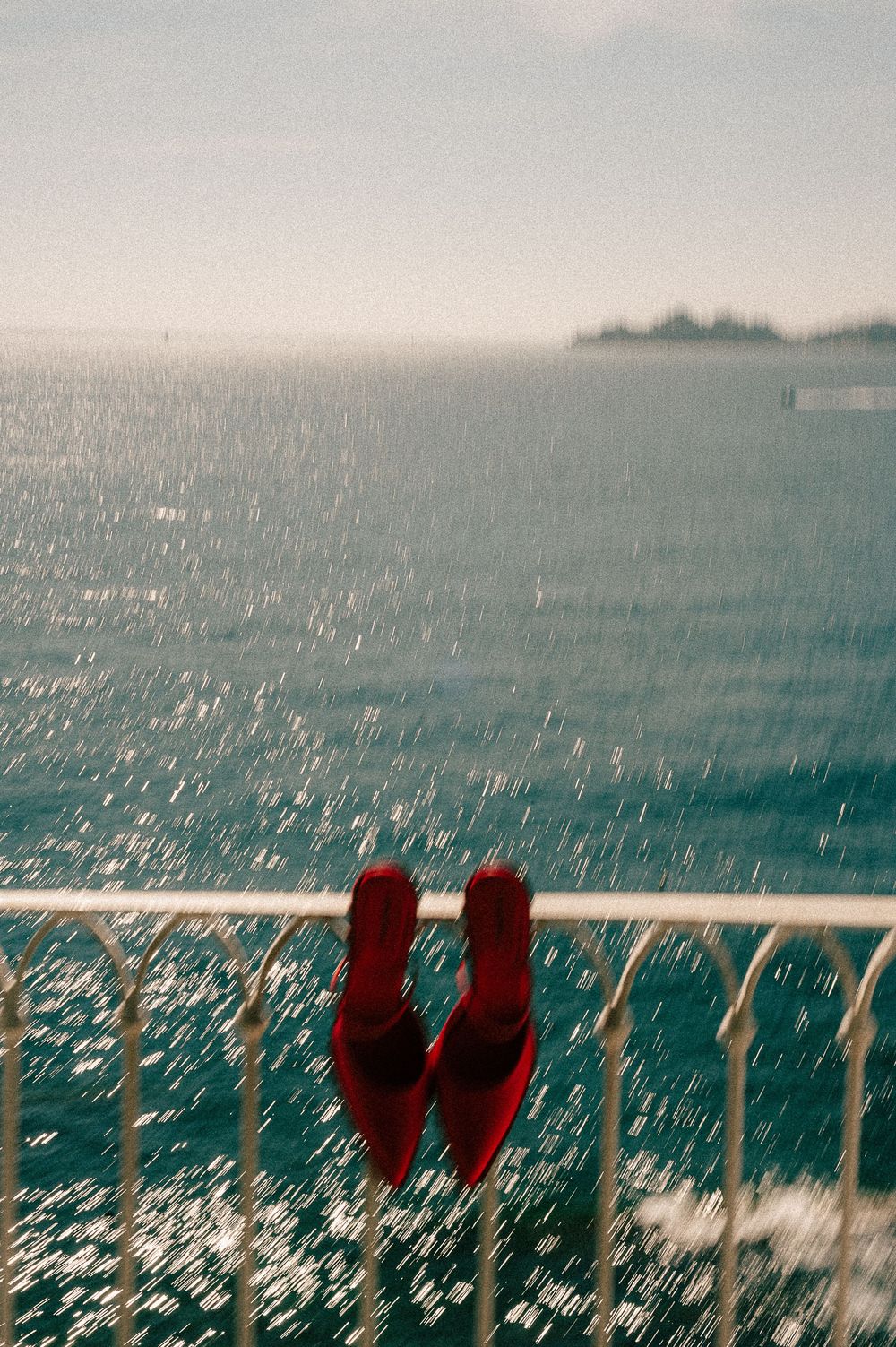
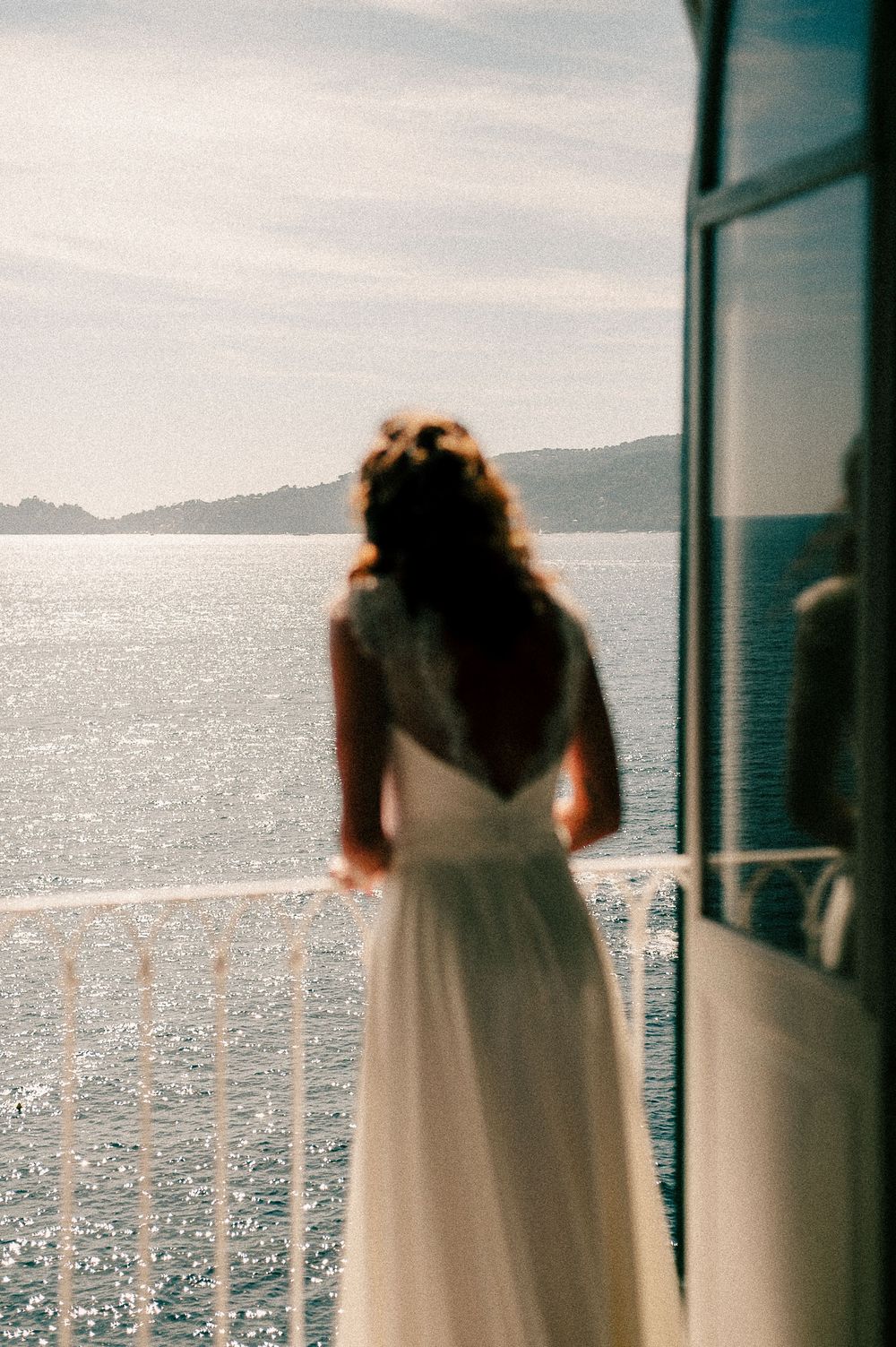
The term aesthetic relates to visual and sensory perception. In the context of wedding photography, it refers to a coherent set of visual elements that create a recognizable language:
- consistent color palette
- uniform light
- similar composition
- cohesive mood
- homogeneous editing
- fluid narrative rhythm
In other words, aesthetic means visual consistency across all the images of a wedding.
It does not describe a specific style such as:
- editorial wedding
- fine art wedding
- boho wedding
- luxury wedding
- documentary wedding
Any of these styles can have a strong aesthetic — as long as visual consistency is maintained.
The Most Common Mistake: Confusing Aesthetic with Style
Today, the term is often used to define a specific look:
“I like an aesthetic style”
“We are looking for an aesthetic photographer”
“This wedding feels very aesthetic”
But what people usually mean is:
editorial style
cinematic mood
soft color palette
fashion-inspired look
Aesthetic is not editorial style.
It is the visual coherence within that style.
An editorial shoot without consistency does not have a strong aesthetic.
A spontaneous documentary wedding with visual coherence absolutely does.
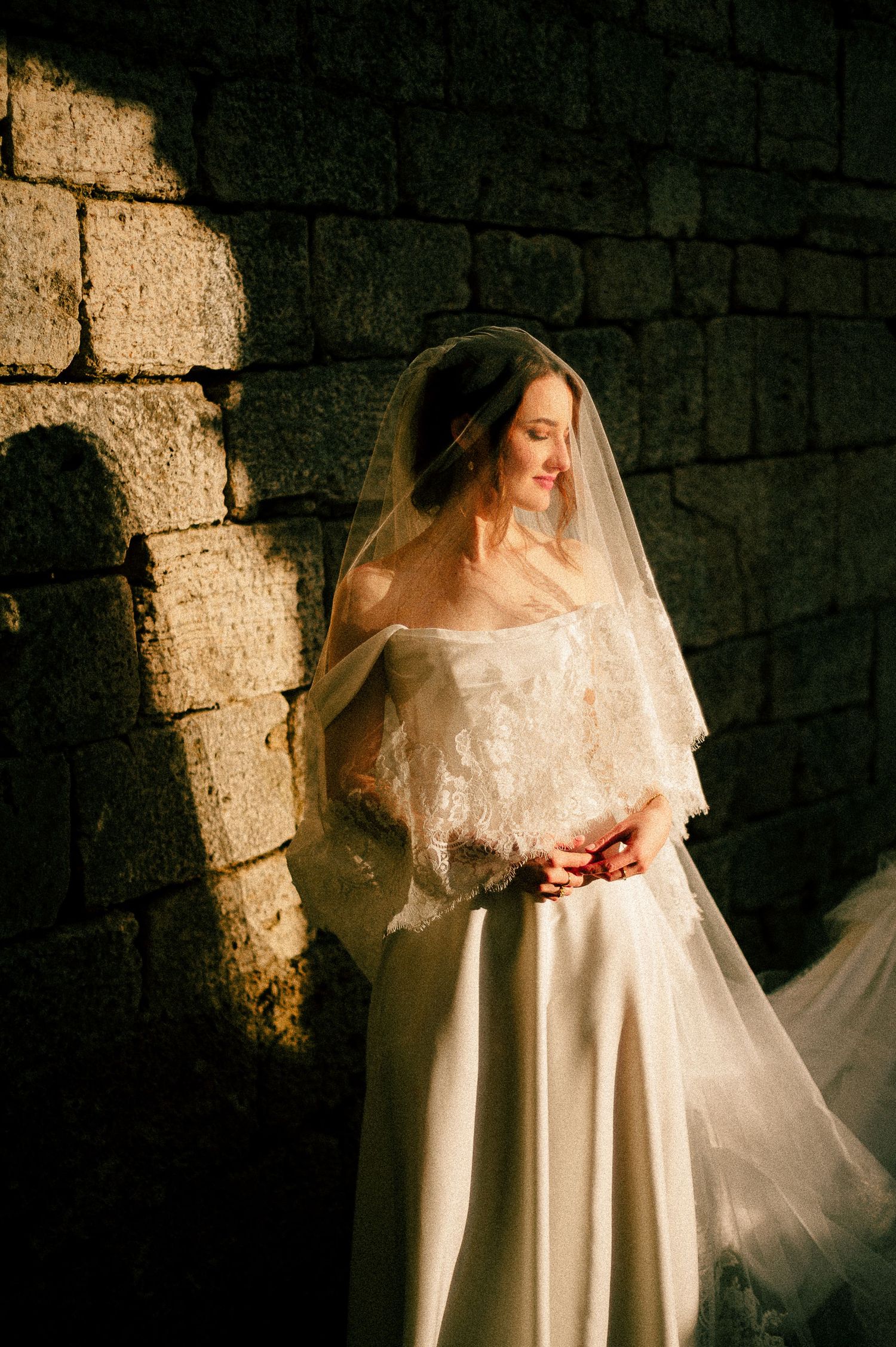
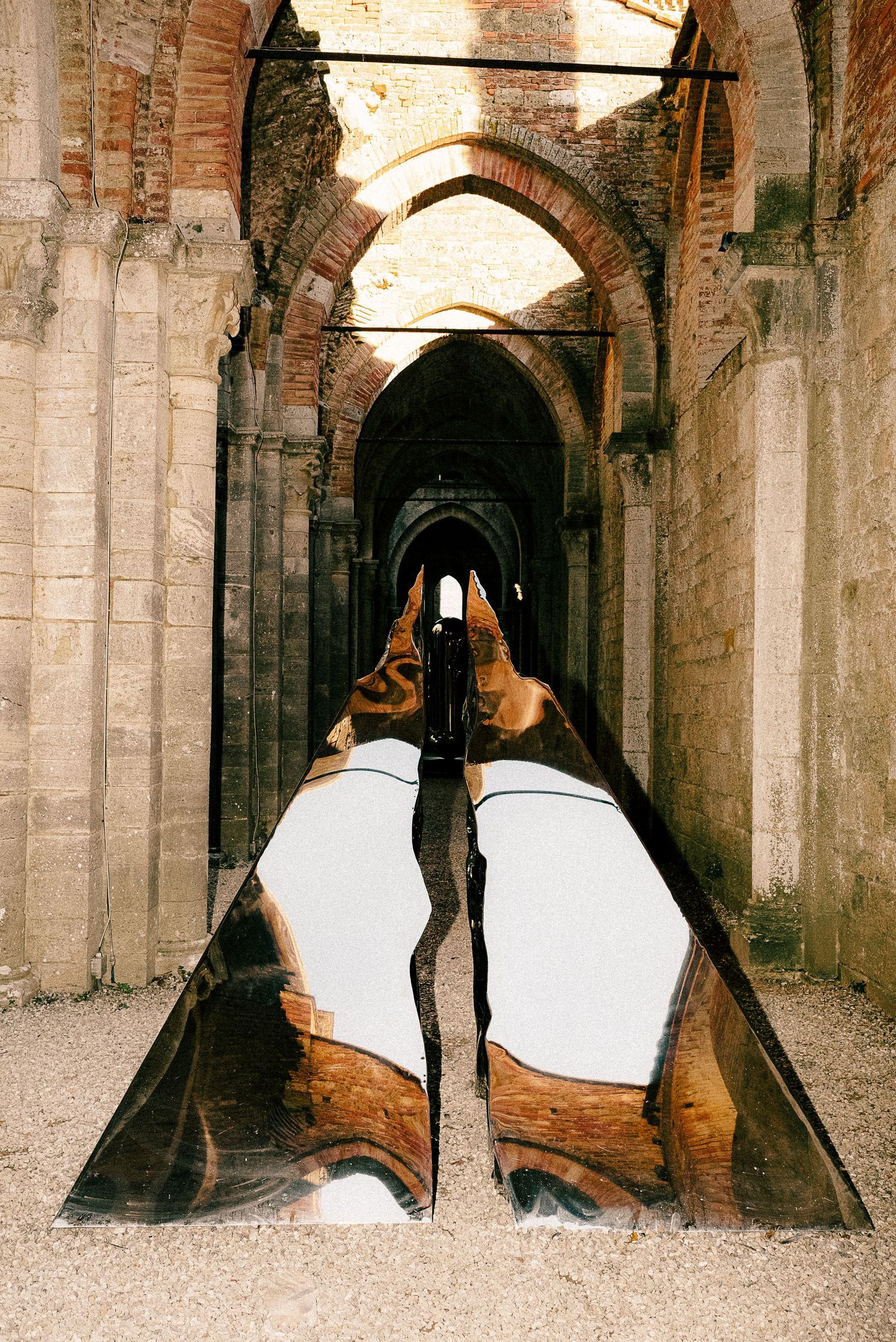
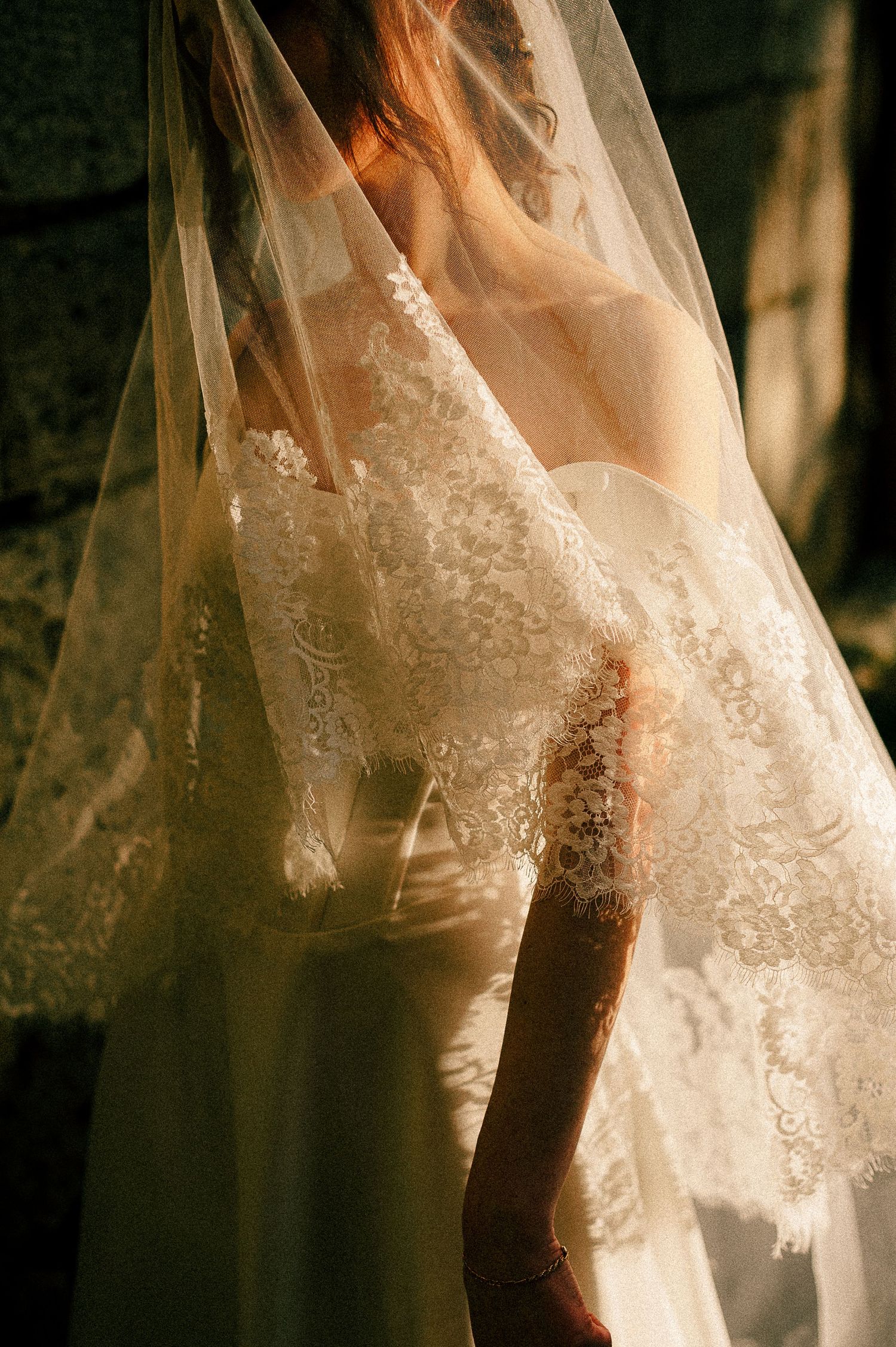
Aesthetic Existed Before Social Media
Long before the term became popular on Instagram and Pinterest, photographers were already working with aesthetic. Visual consistency has always been a fundamental element of wedding photography:
- analog photography with consistent color tones
- documentary storytelling with cohesive natural light
- fine art weddings with soft, uniform palettes
- storytelling with recognizable editing
The word “aesthetic” wasn’t commonly used, but the principle was the same: building a consistent and recognizable visual language.
Aesthetic is not a recent trend. It has always been part of professional photography.
Why Aesthetic Matters in Wedding Photography
A strong aesthetic in wedding photography helps to:
- create visual recognizability
- make storytelling more fluid
- give elegance to the final gallery
- enhance emotional impact
- build a clear photographic identity
When all images from a wedding feel like they belong to the same visual world, the aesthetic works.
Aesthetic vs Wedding Style
It’s important to distinguish the two concepts:
Wedding Style → defines the overall look (editorial, boho, luxury, documentary)
Aesthetic → defines the visual consistency across all images
Style can change from wedding to wedding.
Aesthetic is what maintains coherence and identity.
There Is No Single Aesthetic — Only Yours
One of the most common misunderstandings is thinking there is one “correct” aesthetic. In reality, every wedding photographer builds their own through:
- light choices
- editing
- composition
- narrative approach
- color palette
Aesthetic is not a trend to follow, but a consistency to build over time.
Conclusion
In today’s wedding industry, the word aesthetic is often used to describe a style, but its real meaning goes much deeper. It doesn’t refer to the type of wedding, but to the visual consistency that holds the entire photographic story together.
Aesthetic wasn’t born with social media.
It’s not a style.
It’s not a trend.
It’s a visual principle that photographers have always applied — even before it had a name.
And it’s exactly this consistency that makes a wedding story truly timeless.